Choosing the Right Clothes Dryer: A Practical Guide

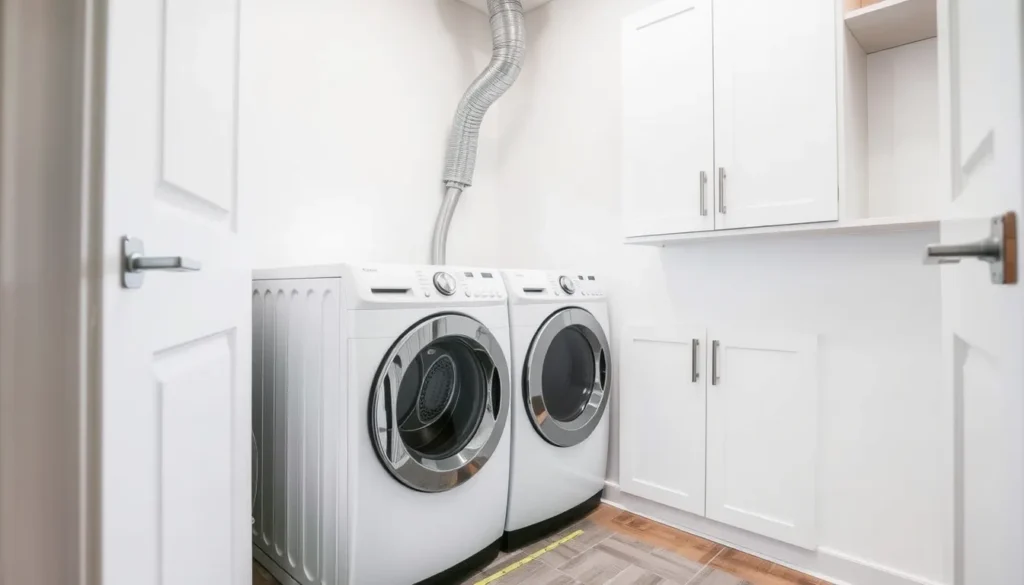
If you’re setting up a laundry area or replacing a unit, this guide shows you How to Choose a Clothes Dryer that fits your home’s dimensions and your washing routine. It’s written for anyone who isn’t an HVAC specialist – from apartment dwellers to suburban families – who wants a dryer that works reliably without retrofits.
You’ll learn to evaluate ventilation, measure space, and
Assess Your Home’s Infrastructure First
Before comparing models, inspect your laundry space. Physical constraints dictate which dryer types are viable. Standard Vented Dryer units require a duct leading outside, typically through an exterior wall or roof. If your home lacks this existing venting, installing one involves significant construction work. In contrast, Heat Pump Dryer and Ventless Dryer models operate as closed loops, recirculating air internally. This design eliminates the need for external ducts, making them suitable for apartments or rooms where exterior venting is impossible.
Next, verify your utility connections. Electric dryers demand specific amperage, so check your electrical panel capacity to ensure the circuit can handle the load without tripping breakers. Gas dryers require a dedicated gas line and proper ventilation for combustion byproducts. Confirm both supply availability and safe clearance distances before proceeding.
The most common purchase error is selecting a dryer that cannot be installed in the available space. Measure the width, depth, and height of the cabinet or alcove precisely. Ensure the door opens fully and that you can reach the back for maintenance. Buying a unit that does not fit physically wastes money and time. Prioritize compatibility with your existing infrastructure to avoid costly retrofits.
Understanding the Three Main Dryer Technologies
Once you know your space constraints, identify which dryer technology aligns with your home setup. The three primary options are Vented Dryers, Condenser Dryers, and Heat Pump Dryers. Each operates differently, impacting installation requirements and energy consumption.
A Vented Dryer expels hot, moist air directly outside your home through an external duct. This requires a dedicated exhaust path to the outdoors. If your laundry area lacks an exterior wall or existing ductwork, this option may be impractical. It is the most common type, available in both gas and electric models.
A Condenser Dryer is ventless, meaning it does not require an external duct. Instead, it cools the hot air after tumbling to condense moisture into a drain or collection tank. While "ventless" implies no external exhaust, these units still need proper internal ventilation to prevent overheating. They are suitable for apartments or homes where drilling through walls is impossible.
A Heat Pump Dryer also falls under the ventless category. It recycles hot air, using a heat pump system to extract moisture more efficiently. This technology typically runs at lower temperatures, which is gentler on fabrics and often more energy-efficient over time. However, it requires a larger upfront investment.
Understanding these distinctions prevents costly installation errors. Choose the type that fits your physical home structure before considering features or capacity.
Gas vs. Electric: Efficiency and Operating Costs
The choice between fuel sources depends heavily on your home’s existing infrastructure and local utility rates. Gas dryers typically dry loads faster because they generate high heat directly. In regions where natural gas is inexpensive, this can lead to lower long-term operating costs compared to standard electric models. However, installation requires a dedicated gas line, which may involve significant renovation if one does not already exist. Always verify local codes and safety requirements before committing to a gas unit.
Electric dryers offer simpler installation, requiring only a standard high-amperage outlet. They consume more electricity to generate heat, which can increase monthly bills in areas with high electric rates. While they heat up quickly, the energy efficiency is generally lower than gas counterparts in conventional models. If you lack a gas connection, an electric dryer avoids the complexity and cost of running new gas lines to the laundry area.
Heat Pump Dryers represent a different efficiency profile. They use significantly less energy than standard electric units by recycling heat rather than venting it. However, this process takes longer to complete a cycle. If speed is your priority, a conventional gas or electric dryer may be better. If energy conservation and fabric care are paramount, and you have the space and patience, a Heat Pump Dryer offers superior long-term efficiency despite the slower drying time.
Matching Capacity to Your Laundry Habits
Dryer size is measured in Capacity (Cubic Feet), representing the internal drum volume. Selecting the right size requires balancing your household’s laundry volume against your available installation space. While a larger drum provides more room for clothes to tumble freely, reducing wrinkles and static, it demands more floor space and may not fit standard alcoves. Conversely, an undersized drum forces you to run multiple loads, increasing total energy usage and cycle frequency.
A critical principle for efficient operation is ensuring your dryer is slightly larger than your washer. If the dryer’s capacity matches or falls below the washer’s, the drum becomes overcrowded. This restricts airflow, preventing the Moisture Sensor from accurately reading humidity levels, which leads to extended drying times or damp clothes. For a standard household, a typical washer capacity often aligns with a dryer that is one cubic foot larger, ensuring optimal tumbling action.
Do not attempt to compensate for a small dryer by overstuffing it. Oversized loads strain the motor, cause uneven distribution, and significantly reduce drying efficiency. The machine works harder to circulate air through packed fabric, leading to higher energy costs and accelerated wear. Instead, prioritize a dryer that comfortably accommodates your average load size, allowing garments to move freely during the spin cycle.
Key Features That Impact Long-Term Performance
Long-term performance depends heavily on how well the dryer protects your fabrics and manages its own maintenance. Prioritize models equipped with a reliable Moisture Sensor. This feature detects residual dampness and automatically stops the cycle, preventing the over-drying that causes synthetic fibers to degrade and cottons to become brittle. Running cycles until they are completely dry is a common habit that shortens garment life; the sensor eliminates this guesswork.
Fabric care also requires flexibility in heat management. Look for a machine offering multiple heat settings, including low-heat or air-only modes. Delicate items like silk, wool, or synthetic blends require gentle temperatures to avoid shrinking or melting. A robust heat control system allows you to tailor the drying process to specific material needs, preserving the integrity of your wardrobe over years of use.
Maintenance frequency is largely determined by the lint filter type. While manual filters require cleaning after every load to maintain airflow and safety, self-cleaning systems reduce this chore. However, even automatic systems may need periodic manual inspection. Choose based on your willingness to perform routine tasks versus your preference for hands-off operation.
Finally, consider noise levels, especially if the dryer sits in a shared living space or near bedrooms. Decibels matter for daily comfort. High-speed spinning can create significant vibration and sound, which may disrupt household activities. Selecting a model with dampened drums or quieter motors ensures the appliance integrates seamlessly into your home environment without becoming a source of irritation.
Installation and Maintenance Considerations
When a dryer is first installed, most homeowners rely on a qualified electrician or appliance technician to handle the details. Even a well‑selected model can become a safety hazard if the surrounding infrastructure isn’t set up correctly. For a vented dryer, the duct must be a straight, short run with no sharp turns or crushed sections. Each joint should be sealed with a metal tape or a high‑temperature sealant; a loose or kinked duct can trap lint and raise fire risk.
Heat‑pump dryers operate by condensing moisture inside the unit, so they need a drainage path. Many models use a condensate drain hose that should be routed to a floor drain or a dedicated sink. Others collect water in a small tank that requires periodic emptying. Make sure the drainage system is level and that the hose is not kinked, as a blocked drain will cause excess moisture to accumulate and can lead to mold or excess humidity in the room.
Regular cleaning keeps a dryer running efficiently. Replace or wash the lint filter after every load to maintain airflow. For vented units, clean the external vent hood and the entire duct system at least once a year, or more often if you have pets or a high‑volume household. A clean vent also prevents the buildup of lint that can become a fire hazard. If your dryer has a moisture sensor, test it periodically by running a short cycle with a damp cloth to ensure it’s still detecting moisture accurately.
By planning for proper installation and setting up a simple maintenance schedule, you’ll extend the life of your dryer and keep your laundry routine safe and efficient.
